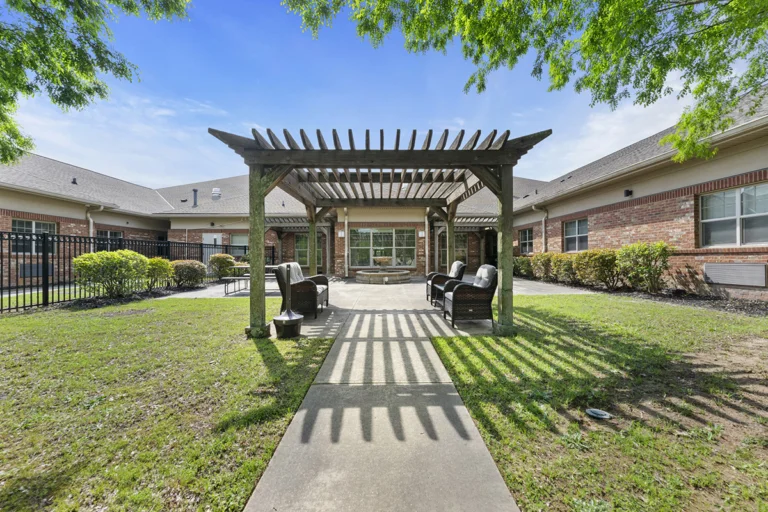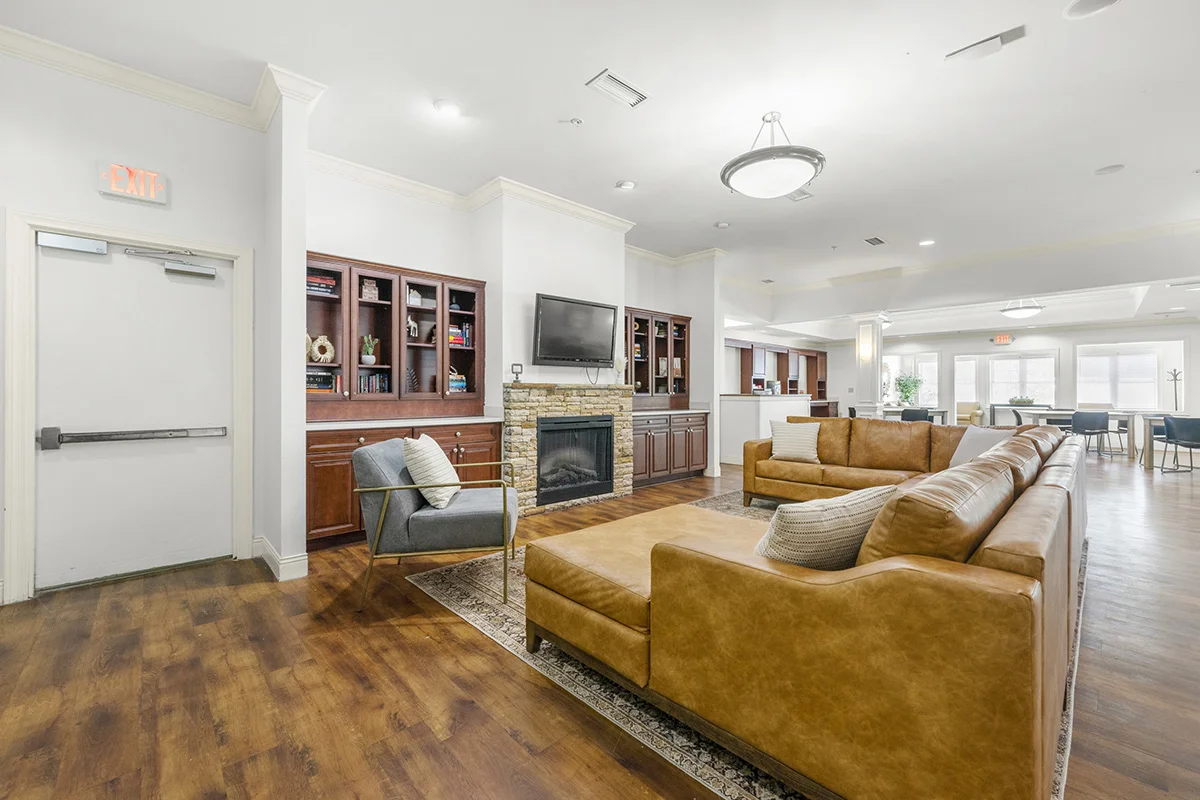
If you are struggling with addiction or mental health challenges, life can start to feel overwhelming in ways that are difficult to explain. You may feel stuck in patterns that are hard to change, disconnected from the people around you, or unsure of what the next step should be.
At Promises Atlanta, residential treatment offers a supportive, structured space where healing can begin with clarity and consistency. This level of addiction treatment is designed to meet you where you are, providing both the stability and clinical support needed to move forward at your own pace.
Residential treatment, also known as inpatient care, is a form of addiction treatment where individuals live on-site while receiving comprehensive therapeutic and medical support. Unlike outpatient programs, residential addiction treatment removes you from daily stressors and environments that may contribute to substance use, allowing you to fully focus on recovery.
This type of residential treatment for addictions is designed to provide continuous care in a setting that prioritizes safety, structure, and emotional support. It is often recommended for individuals who need more consistent guidance, especially when addiction has begun to affect multiple areas of life.
At its core, residential drug treatment and residential alcohol treatment are not only about stopping substance use. They are about understanding the underlying patterns, emotional experiences, and behavioral cycles that contribute to addiction, while building a stronger foundation for long-term recovery.
One of the most common questions people ask is whether residential treatment is the right level of care. While every situation is unique, residential addiction treatment may be especially beneficial if:

In many cases, the need for residential treatment is not defined by a single moment, but by a growing sense that something is no longer sustainable. You may notice that daily responsibilities feel harder to manage, relationships feel strained, or emotional overwhelm has become more constant. Over time, these patterns can make it increasingly difficult to find stability without additional support.
Residential treatment in Atlanta can provide space to step out of that cycle. By removing the pressure of navigating everything at once, residential drug treatment and residential alcohol treatment allow you to focus on understanding what you are experiencing and what kind of support may help.
This level of care can also be helpful if you are unsure what type of addiction treatment is right for you. The structured environment offers both clarity and consistency, helping you begin the process without needing all the answers upfront.
Rather than expecting you to fit into a specific path, residential treatment for addictions is designed to meet you where you are and support you in building a foundation that feels steady, realistic, and sustainable.
A key part of effective addiction treatment is recognizing that no two experiences are the same. At Promises Atlanta, residential treatment begins with a comprehensive assessment that looks at your physical health, emotional well-being, substance use history, and personal goals.
From there, a personalized treatment plan is created to guide your care.
This plan may include a combination of therapies, medical support, and wellness practices, all adjusted over time as your needs evolve. Individualization is not a one-time step. It is an ongoing process that allows your care to remain responsive and relevant throughout your stay.
Your treatment team works collaboratively with you, creating space for your voice, preferences, and experiences to be part of the process. This approach helps ensure that residential addiction treatment feels supportive rather than prescriptive.
Understanding what daily life looks like in residential treatment can help reduce uncertainty and make the process feel more approachable.
While each day may vary, residential treatment typically includes a balance of structure, therapy, and time for reflection.
A consistent schedule helps create stability and predictability. Days often begin with a morning routine, followed by therapy sessions, group work, and scheduled activities. This structure supports both emotional grounding and progress over time.
One-on-one sessions provide space to explore personal experiences, thought patterns, and challenges in a private setting. These sessions are tailored to your needs and help guide your overall treatment journey.
Group sessions are a central part of residential treatment for addictions. They offer the opportunity to connect with others who may share similar experiences, helping reduce isolation while building a sense of community.
Clinical approaches such as cognitive behavioral therapy and dialectical behavior therapy are often used in residential drug treatment and residential alcohol treatment. These therapies focus on building awareness, emotional regulation, and healthier coping strategies.
Depending on your needs, medical support may be part of your care. This can include monitoring, medication management, and ongoing clinical evaluation to ensure your safety and well-being.
Residential addiction treatment also focuses on practical tools for everyday life. This may include stress management, communication skills, mindfulness practices, and routines that support long-term stability.
Together, these elements create a balanced experience that supports both immediate needs and future growth.
Choosing the right level of addiction treatment can feel unclear, especially when multiple options are available.
Residential treatment differs from outpatient care in several important ways:
For some individuals, residential treatment serves as a starting point. For others, it may follow detox or previous treatment experiences. As progress is made, some individuals may transition into step-down levels of care such as partial hospitalization programs (PHP) or intensive outpatient programs (IOP), which provide continued support with increased flexibility.
There is no single right path. The goal is to find the level of care that feels supportive, manageable, and aligned with your current needs.
Residential treatment at Promises Atlanta is grounded in a combination of evidence-based therapies and holistic approaches.
This framework is designed to address multiple aspects of recovery, including emotional health, behavioral patterns, and overall well-being.
Some of the therapeutic approaches that may be part of residential treatment include:
Rather than focusing on a single method, residential addiction treatment brings these elements together to support a more complete and individualized experience.
Residential treatment is not only about the time spent in care. It is about building a foundation that continues beyond it.
Through consistent support, structured routines, and meaningful therapeutic work, individuals begin to develop tools that can be carried into daily life. This may include:
The goal of residential treatment for addictions is not perfection. It is progress that feels sustainable and aligned with your life moving forward.
Taking a step toward residential treatment can feel significant, especially when there are still questions or uncertainties. You do not need to have everything figured out before reaching out.
At Promises Atlanta, residential addiction treatment is designed to offer clarity, support, and space to begin again with care that meets you where you are.
Whether you are exploring residential drug treatment, residential alcohol treatment, or simply looking for guidance on addiction treatment options, support is available when you are ready.
Residential treatment at Promises Atlanta supports individuals experiencing a range of substance use challenges, including drug and alcohol addiction. This residential addiction treatment program is designed to address both substance use and co-occurring mental health conditions, creating a more comprehensive approach to addiction treatment. Connecting with the admissions team can help determine how residential treatment for addictions may align with your specific needs.
Promises Atlanta works with many insurance providers to help cover the cost of addiction treatment, including residential treatment. Coverage may include services such as residential drug treatment, residential alcohol treatment, therapy, and continued care options. Reaching out directly can help clarify your benefits and what your plan may include for residential addiction treatment.
The length of residential treatment can vary depending on individual needs, progress, and the complexity of addiction and mental health concerns. Residential addiction treatment may last several weeks or longer, allowing time to build stability, engage in therapy, and develop coping skills. Treatment plans are regularly reviewed and adjusted to ensure that residential treatment for addictions continues to support meaningful progress.
Medically supervised detox may be part of the addiction treatment process before beginning residential treatment. Detox helps individuals safely manage withdrawal symptoms under clinical care and can be an important step before entering residential drug treatment or residential alcohol treatment. The clinical team can assess your needs and coordinate care as part of your overall residential addiction treatment plan.
Yes, Promises Atlanta accepts referrals from healthcare providers, therapists, and other professionals seeking residential addiction treatment for their patients. The team works collaboratively to support a smooth transition into residential treatment and ensure continuity of care throughout the addiction treatment process.
Choosing residential treatment in Atlanta allows individuals to stay closer to familiar support systems while receiving structured addiction treatment. Being local can make it easier for family involvement, ongoing communication, and planning next steps after residential addiction treatment. It also simplifies logistics such as insurance coordination and continuity of care, while still providing access to comprehensive residential treatment for addictions.
No matter where you are in your journey, we’re here to help. Reach out today to start your recovery.
"*" indicates required fields